You've done the work to become a sharper, faster, more modern company. Now, every place your people connect in the world is an opportunity to showcase it.


Operating differently: new systems, tighter integrations, and the efficiency and data they bring. Being seen differently: a modern, human experience for the customers and employees who matter. Companies are putting serious money behind both.
$2.58
T
spent modernizing systems and operations worldwide in 2025¹
$4.9
T
in global M&A in 2025, the second-biggest year on record, as companies reinvent themselves²




HiHello is how innovative companies prove it to the world, by delivering an interactive, beautiful, modern experience in every interaction their people have. Behind it, their operations run on the systems they already use, connected and always evolving, ready for whatever comes next.
Modern operations. Modern presence. One place.
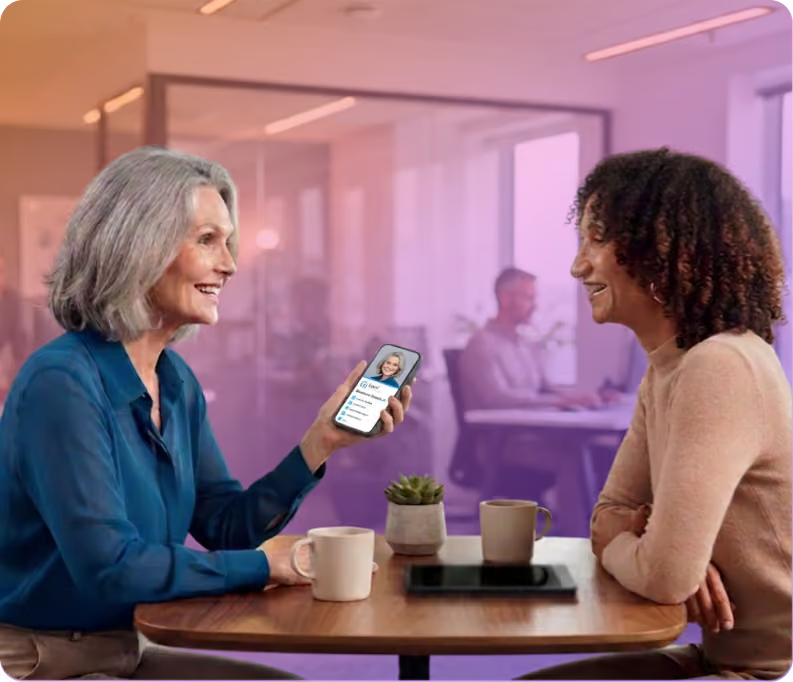
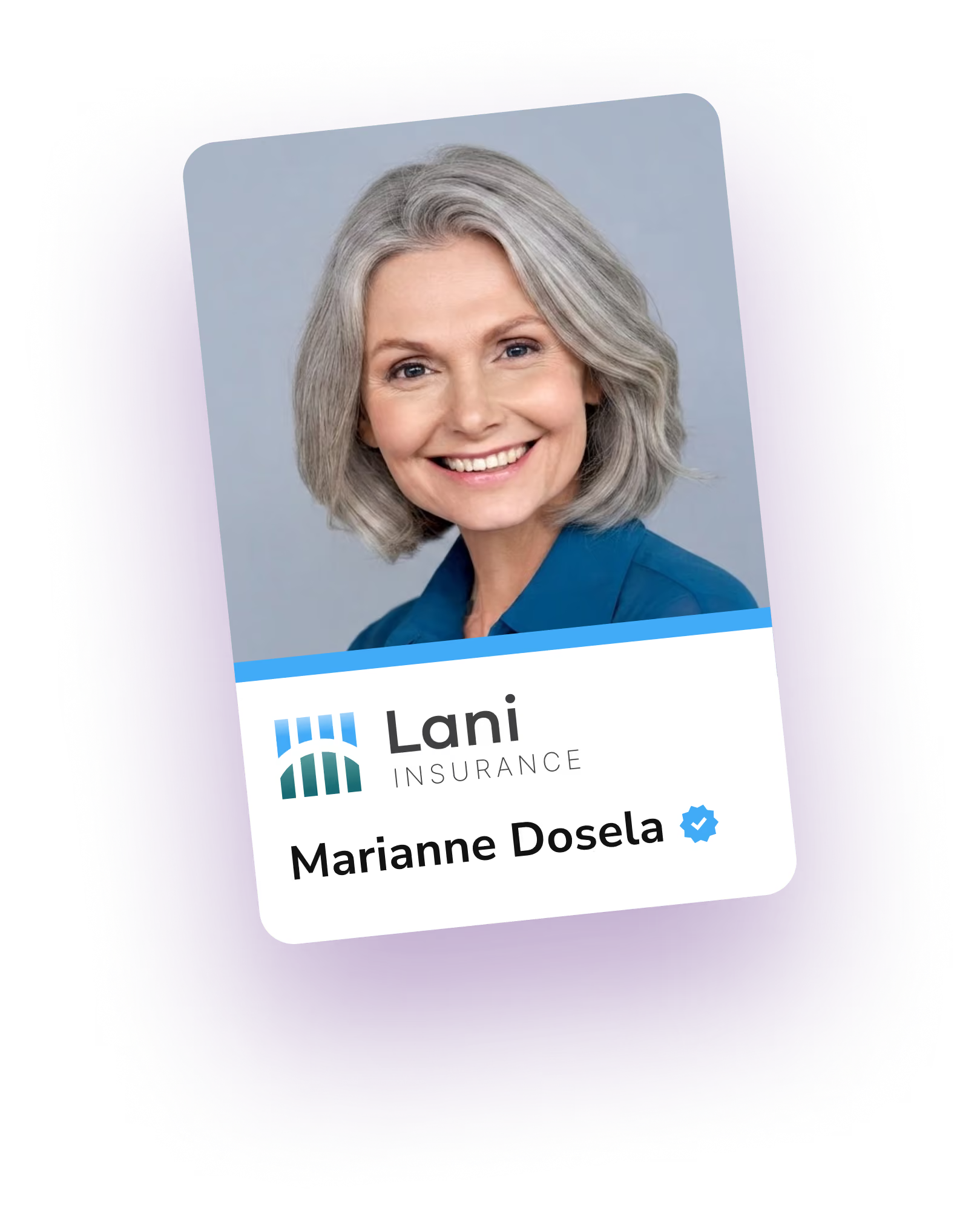
Use digital business cards to turn every introduction into a dynamic, interactive experience, with embedded video, live links, and your best content on show.
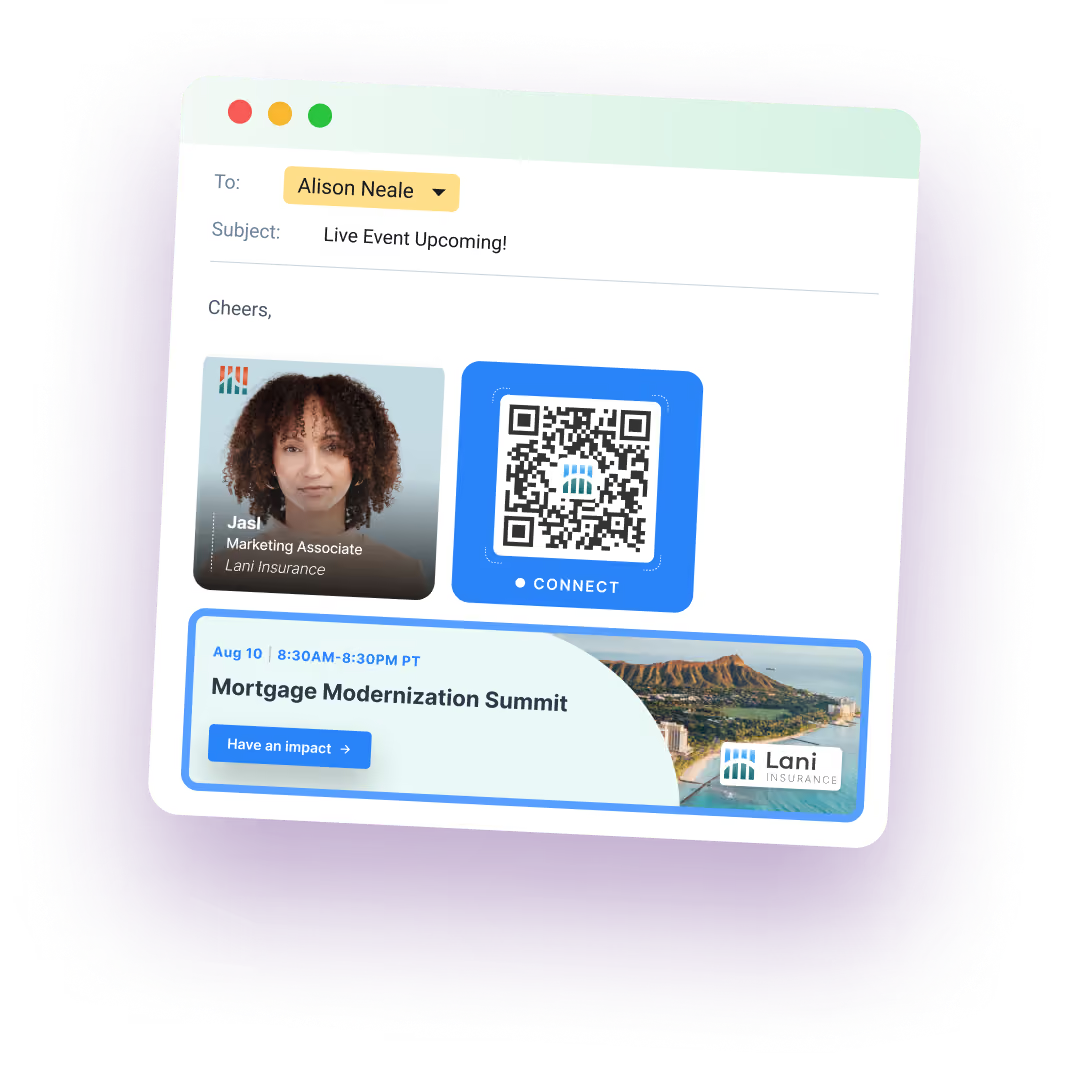
Explore digital business cards →Use automated email signatures and campaign banners to run branded promotions under every message your company sends, updated everywhere in seconds, no end-user effort.
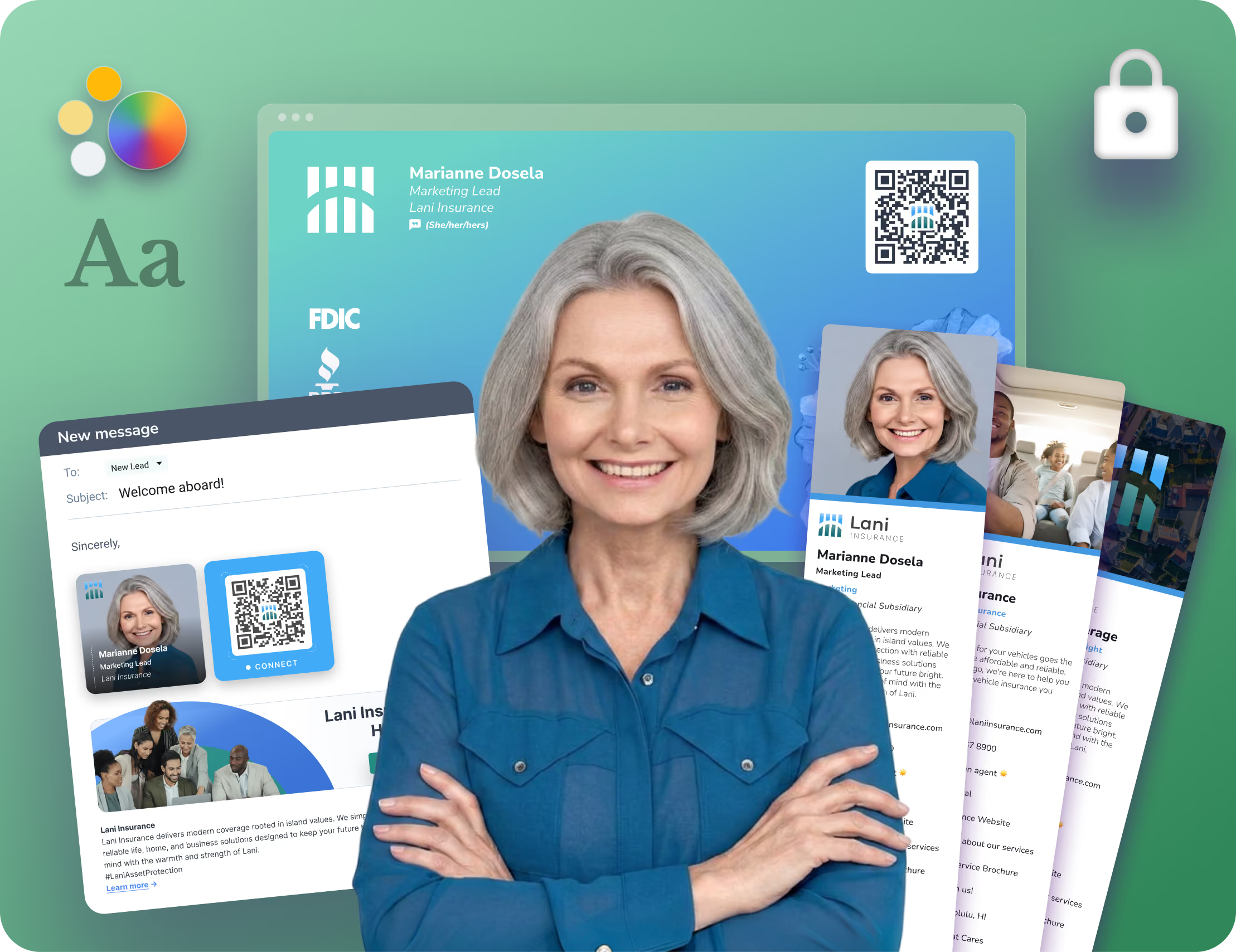
See email signatures →Use branded video and virtual backgrounds to bring real personality into every call, and connect people straight back to your card, so one conversation opens the door to everything else.
Brand your video presence →Use native integrations to connect HiHello to the tools already running your business, from Salesforce and HubSpot to Okta, Entra ID, and Workday, so everything provisions and syncs inside your existing security and access controls.
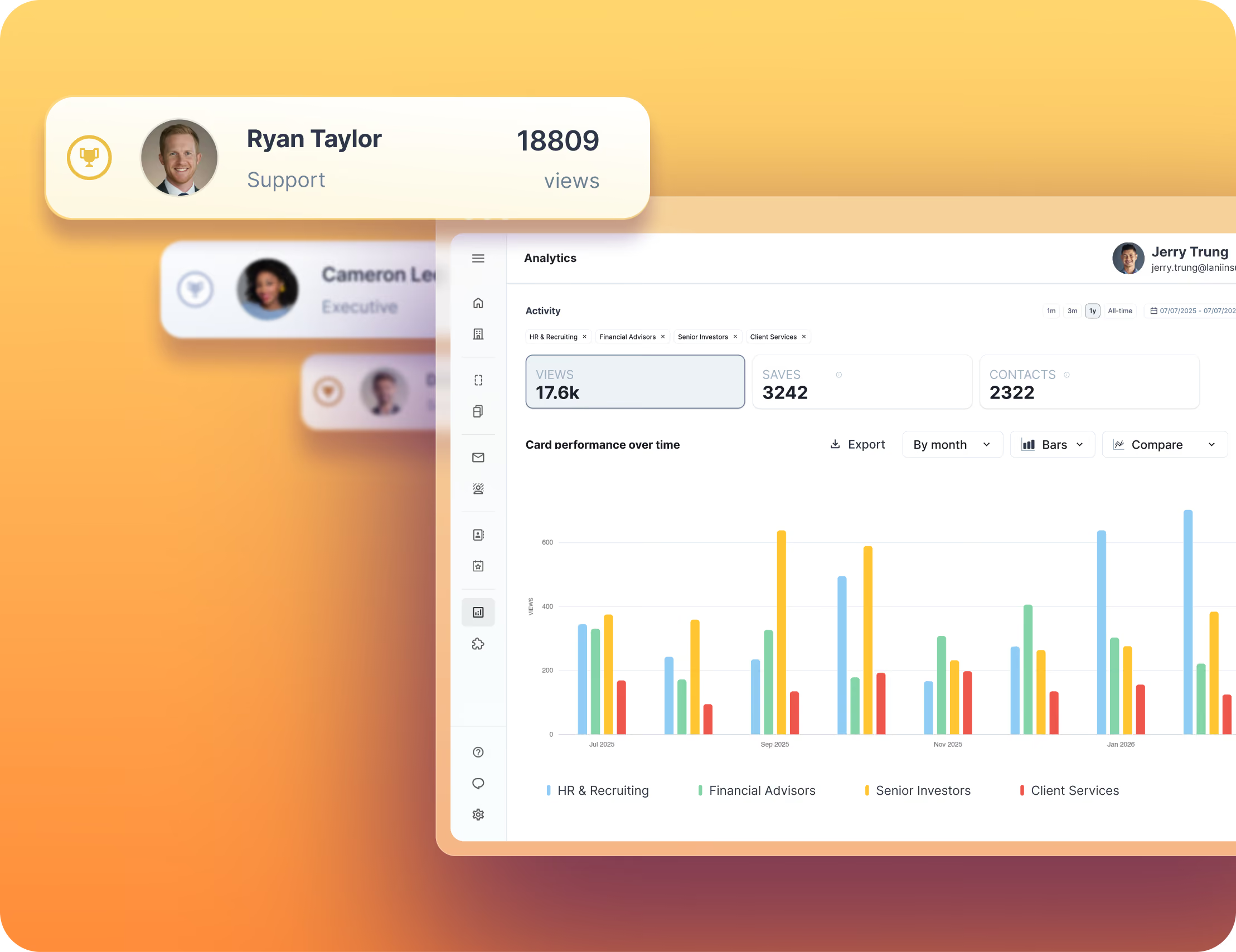
See the integrations →Use analytics to finally see what you've been missing. Modern companies run on data, and this turns a channel you could never measure into one you can see, prove, and act on.
Explore analytics →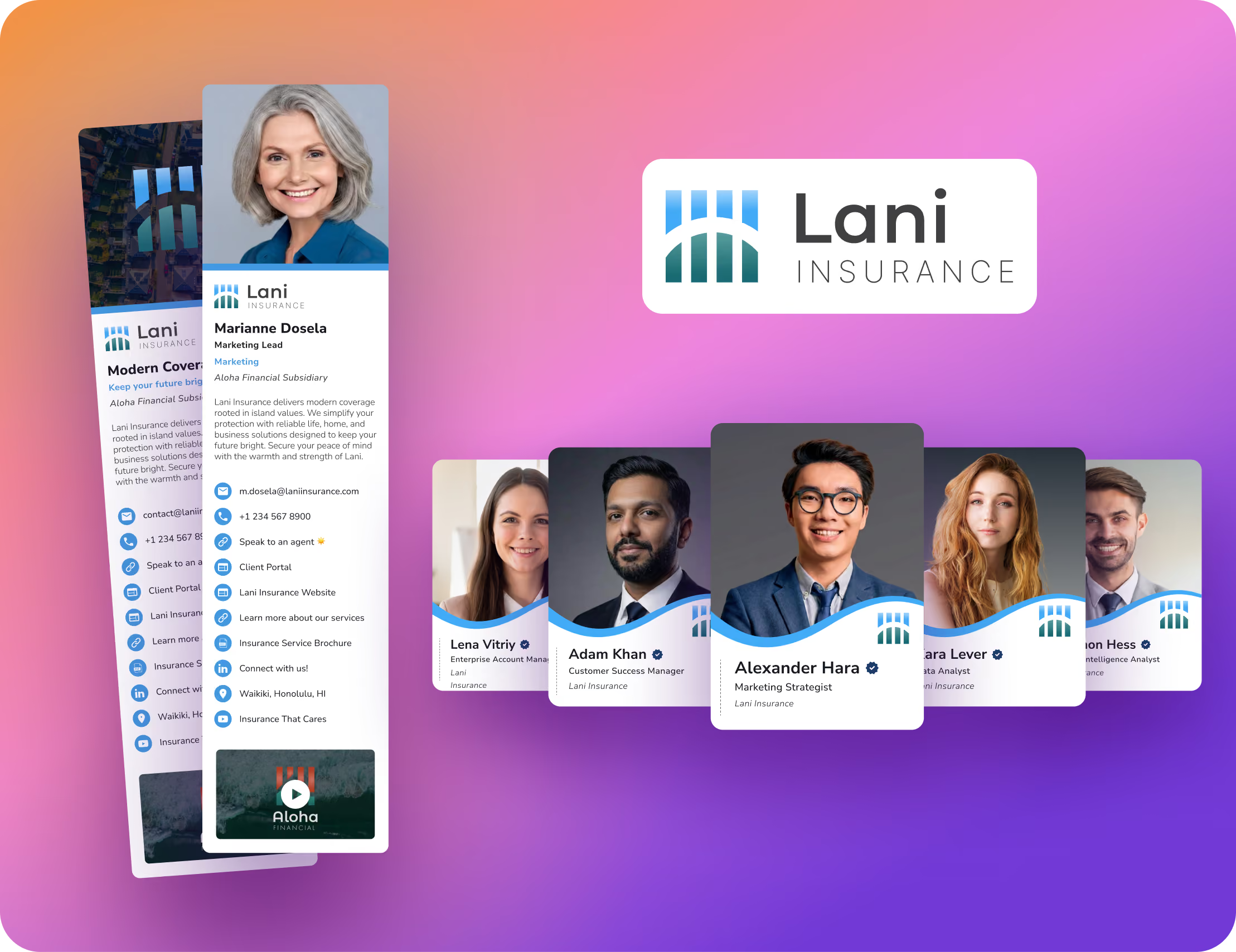
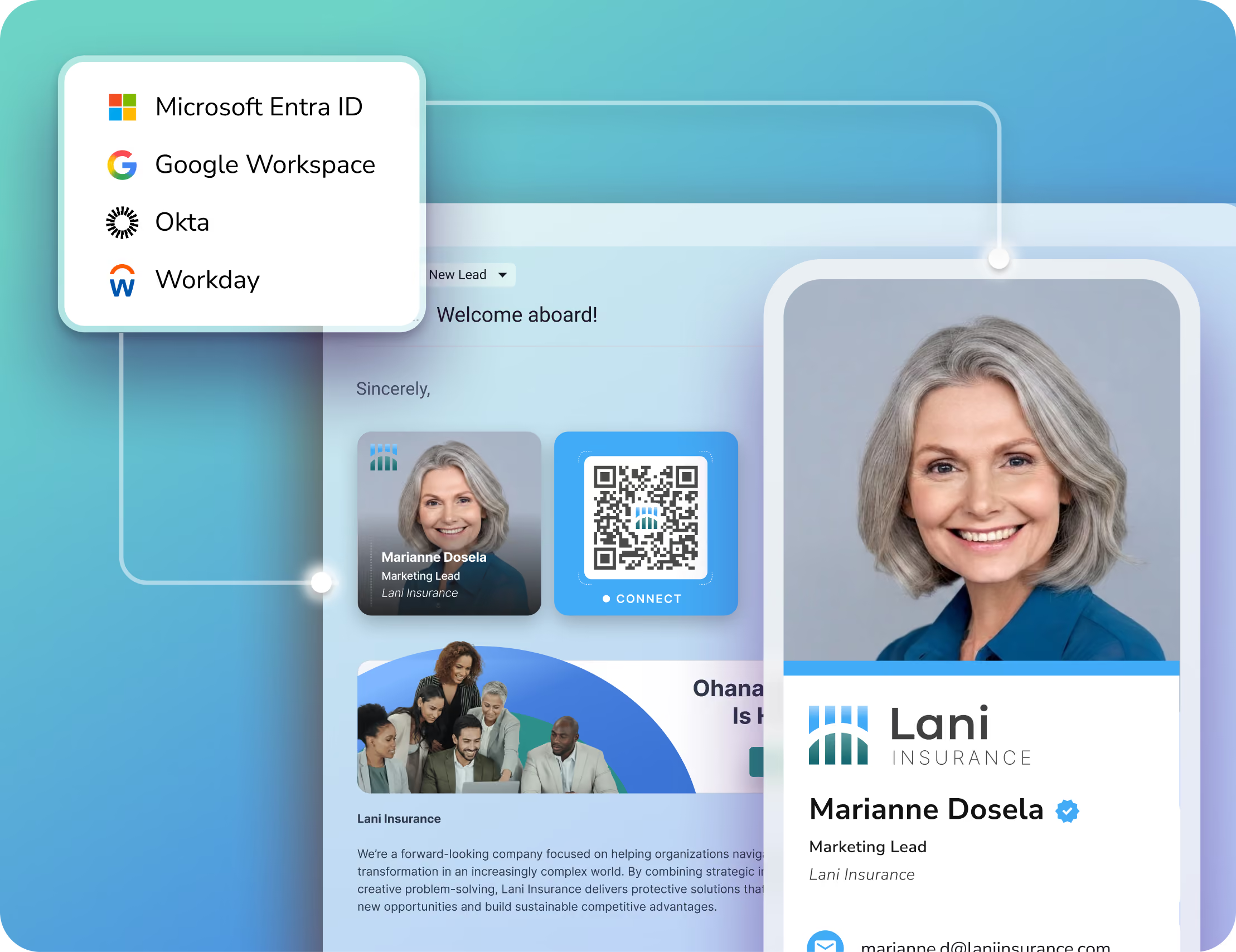
Connect HiHello to your directory, CRM, and email platform. New team members are provisioned automatically, updates deploy without a chase, and the manual work gets left behind.
The way your people meet the world becomes modern and human: interactive cards, branded video on every call, and an experience you can tailor to each person and moment.
Put numbers behind a part of the business that's never had them. Card views, signature impressions, reach by team. Get data you can see and insights you can act on.
"When we found out about HiHello, we were like, this is perfect because it creates a digitized version of the paper business card. Taking that along with the email signatures, too, was really huge for us."

Trey Blair
Product Manager,
CHRISTUS Health

Healthcare
"When we first implemented HiHello, we used QR codes on business cards and badges at Sweets & Snacks. People loved scanning to save contacts instead of taking paper cards. HiHello makes BBI look tech-advanced."

Mishell Arcos
Marketing Communications
Manager
Burdette Beckmann, Inc.

cpg / brokerage
"We strive to stay at the forefront of marketing trends, and a digital card gives us much more opportunity to connect with our potential clients. HiHello allows us to offer our clients a managed digital card experience, which we augment with branded video and additional media."

Pete Stagl
Owner,
Servant 360°
MARKETING Services
"It's a sustainability thing: trying not to waste paper on cards, while also moving toward having more features and being modern. And we got both a digital business card and the signature in one platform."

Ethan Walsh
Creative Services Manager,
Goodwill
NONPROFIT / workforce development


“A Must-Have Tool for Modern Professionals. It gives a polished and modern impression, showing you're tech-savvy and organized.”

Andrea D.
Owner and Founder,
Daigle Travel