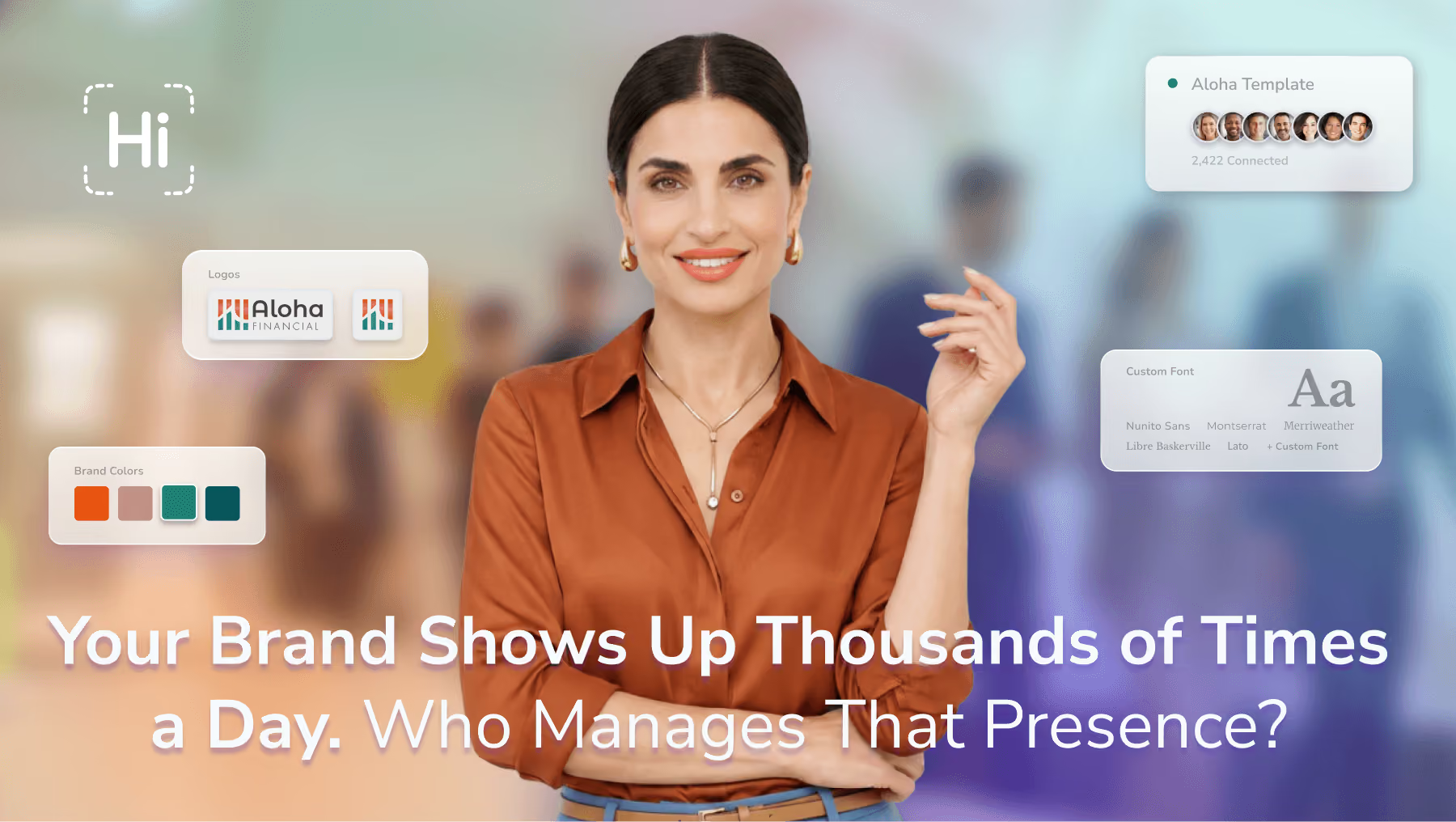
Every place your people connect in the world is an opportunity to build a powerful brand experience. Harness those moments, control the brand from one source of truth, and see the impressions you’ve created.



Every employee is a brand touchpoint. At enterprise scale, guidelines alone can't keep them all on brand. Consistency is what builds trust and confidence, and that trust is what revenue is built on.
88
%
of consumers worldwide, say trust is an important consideration when they buy¹
71
%
of businesses say inconsistent brand presentation leads to customer confusion²
23
%
higher revenue reported from cross-channel brand consistency³






Your brand is more than a logo file. It's the card your rep shares at a trade show, the signature on every sales email, the face on every video call. It's expressed through your people, thousands of times a day. HiHello is how you make sure what they're expressing is actually yours.
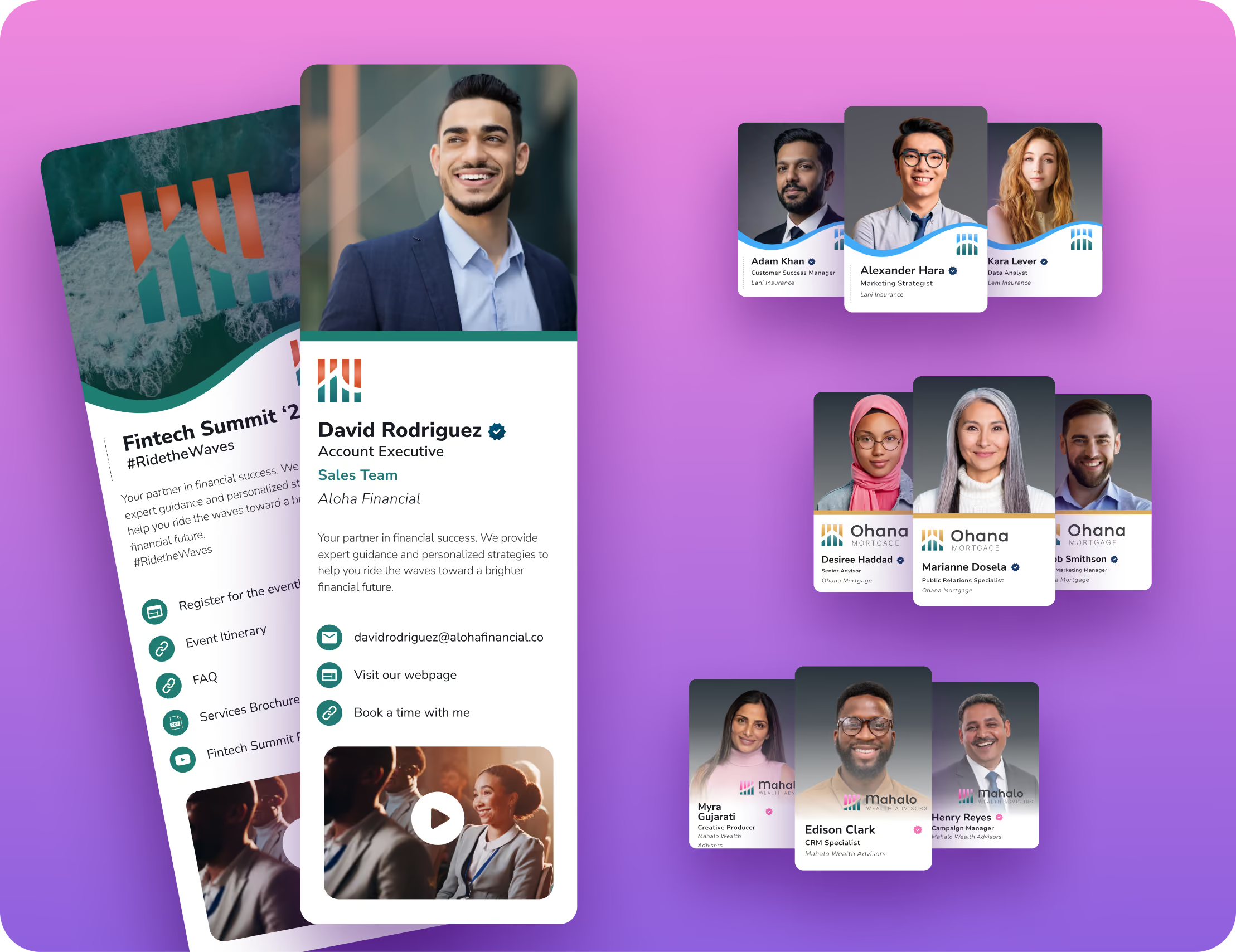
Set the standard: locked brand fields, templated layouts, and clear rules for what employees can personalize. The brand you define is the brand they deploy.
Push once. Every card, signature, and background reflects the update immediately, provisioned automatically as people join or change roles. The gap between policy and practice closes.
The same governance layer that works for 100 employees works for 10,000. Brand standards don't erode as the org grows. HiHello holds the line.
Every surface pulls from one source of truth, so a standard you set once stays consistent everywhere and updates everywhere at once.
Set brand standards once: colors, logos, fonts, locked fields. Employees fill in what you allow. The brand itself isn't up for grabs. A change ships across the whole company at once.
Control your brand from one place →Pull every card from one template, so it's on brand in every meeting and introduction, without anyone managing it individually.
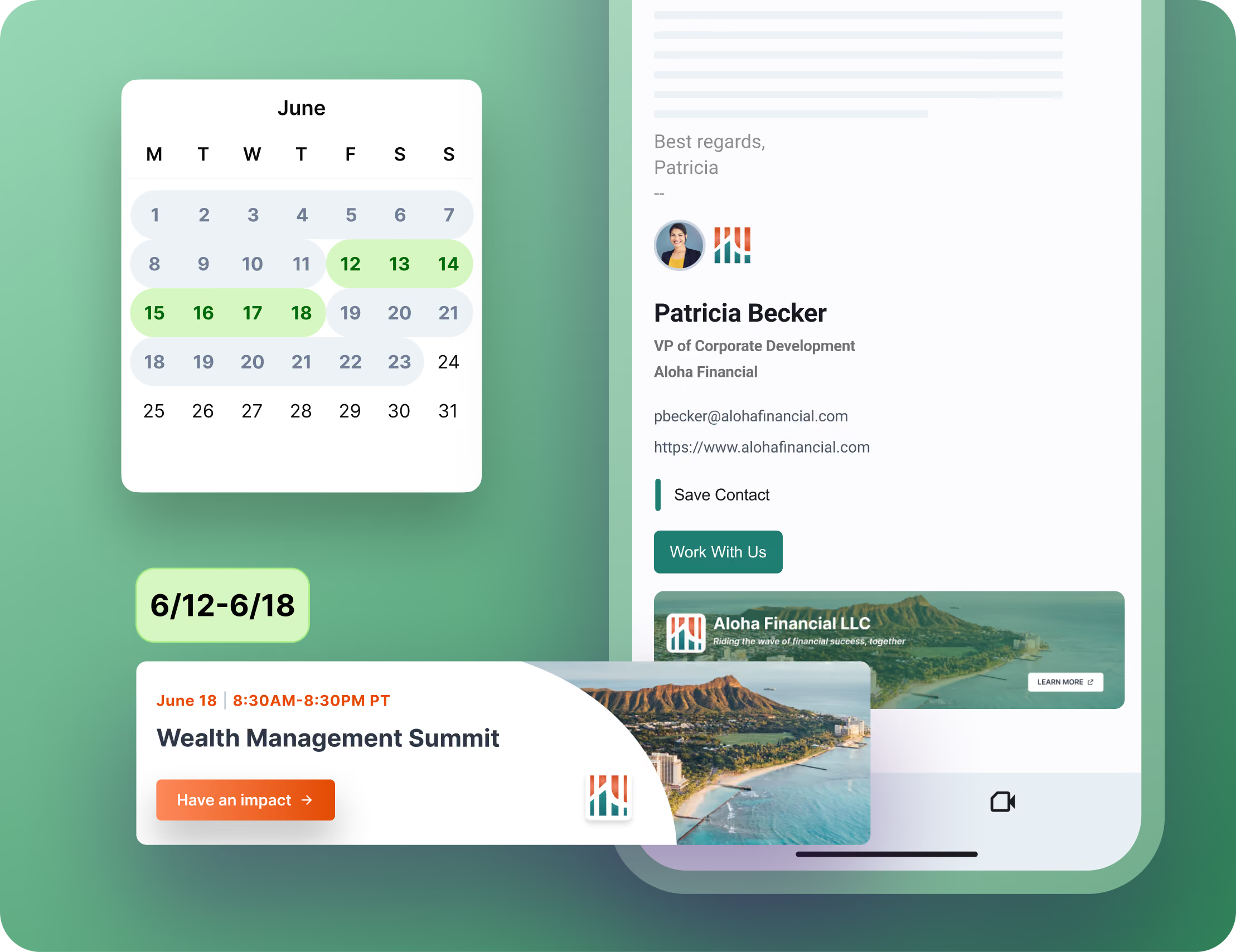
Put your brand in every introduction →Every signature your team sends pulls from one template. Format, logo, legal disclaimers, all set centrally, nothing slipping through on an individual send.
Brand every email your team sends →Push an on-brand banner under every signature at once. Set them centrally, schedule, and they go live across the whole company in an instant.
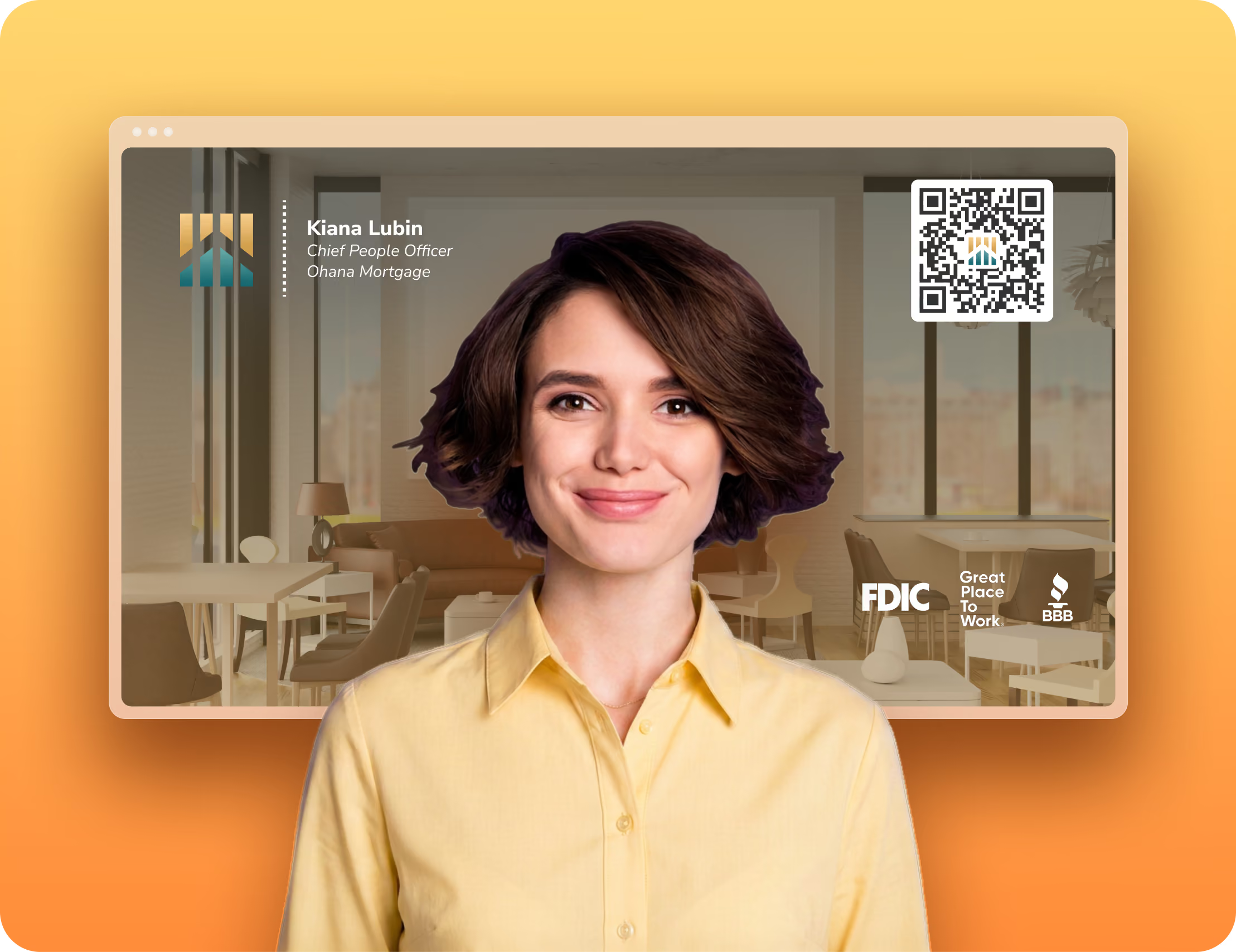
Run campaigns across every inbox →Carry the brand into every video call, on Zoom, Teams, Meet, and more, consistent across every employee, without anyone setting it up individually.
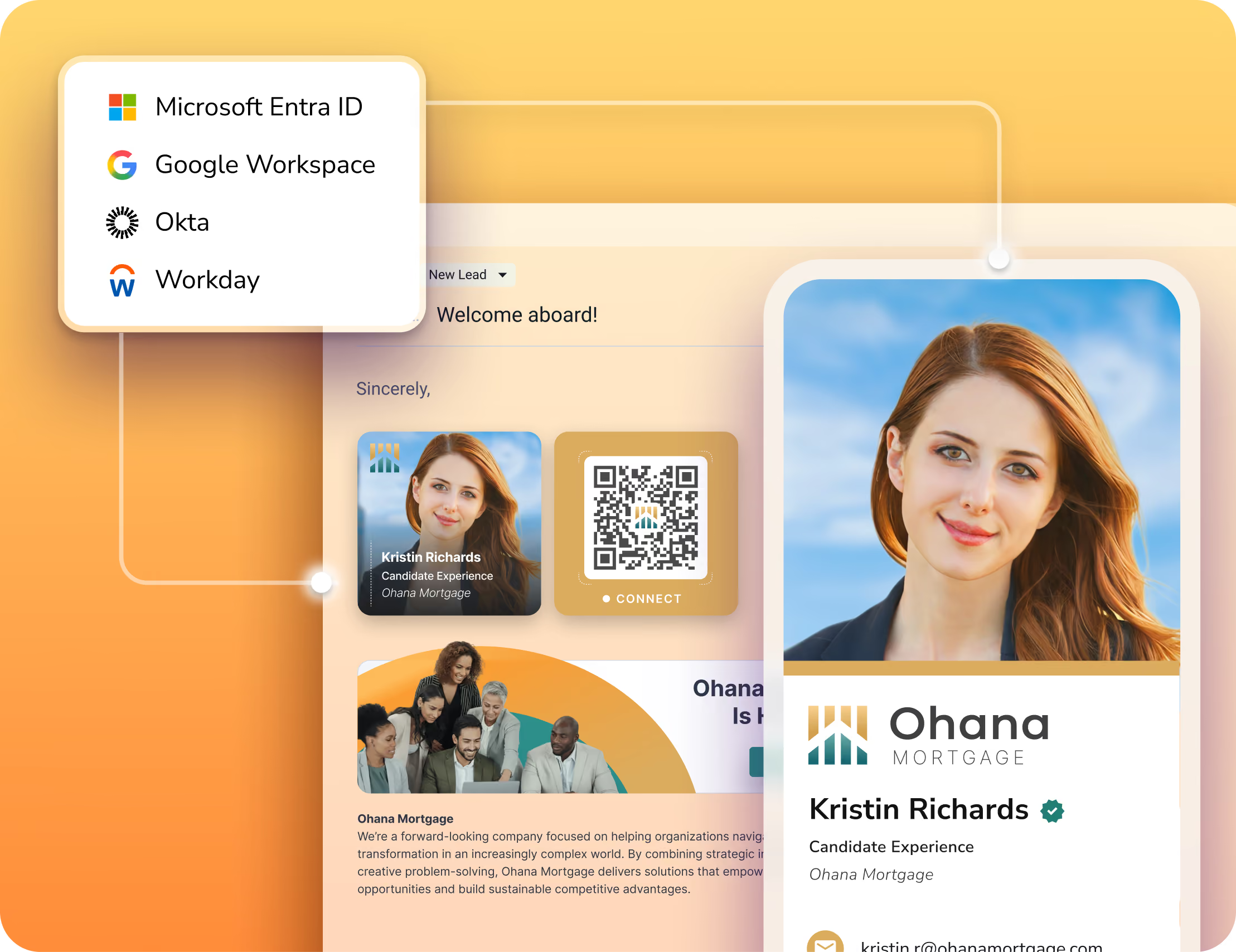
Bring brand to every call →Connect to Okta, Entra ID, Google Workspace, or Workday, and your team is on brand from day one. New hires are provisioned automatically.
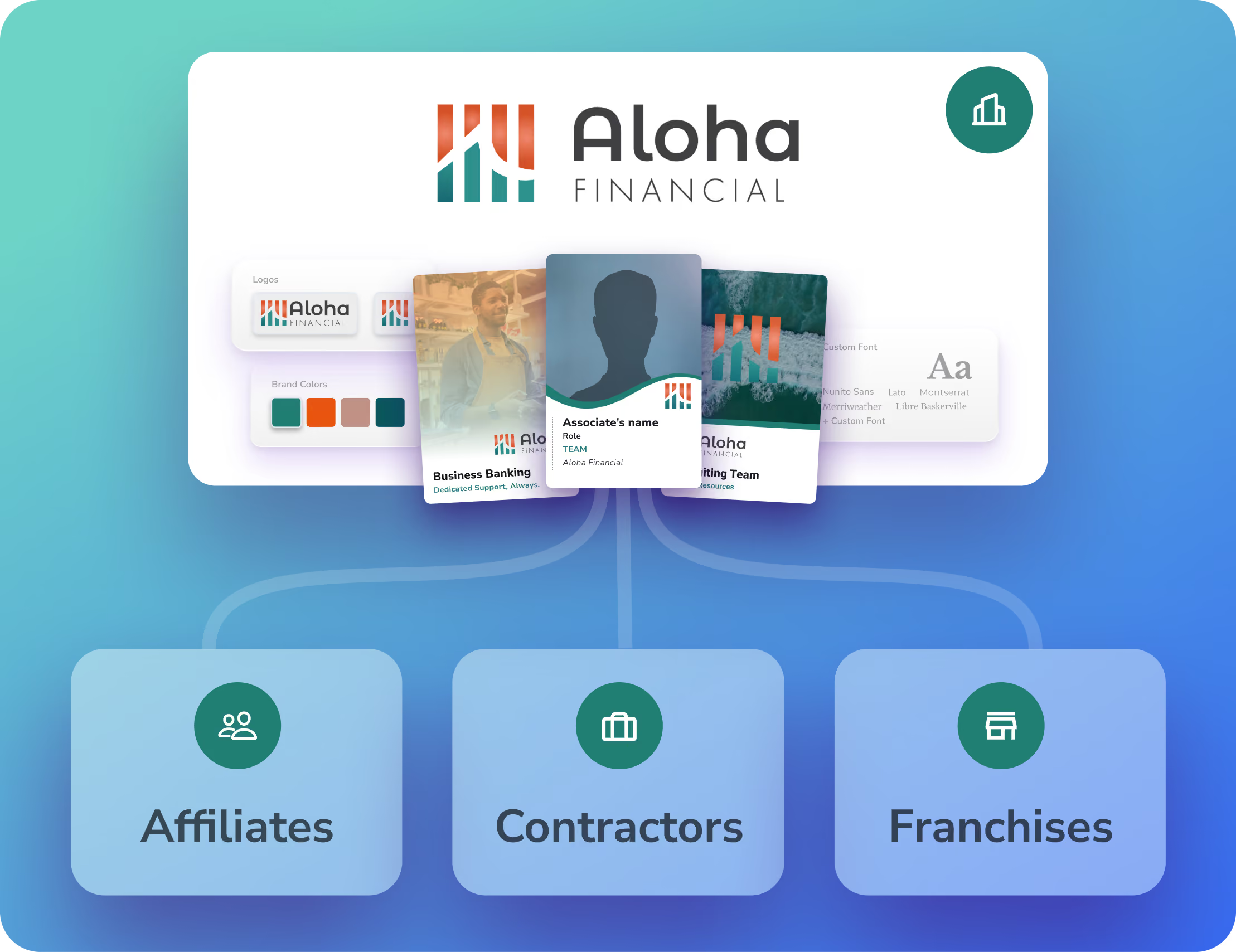
Automate your brand →Keep affiliates, contractors, and franchises on brand without adding them to your directory. Extend your standards beyond your org without losing control.
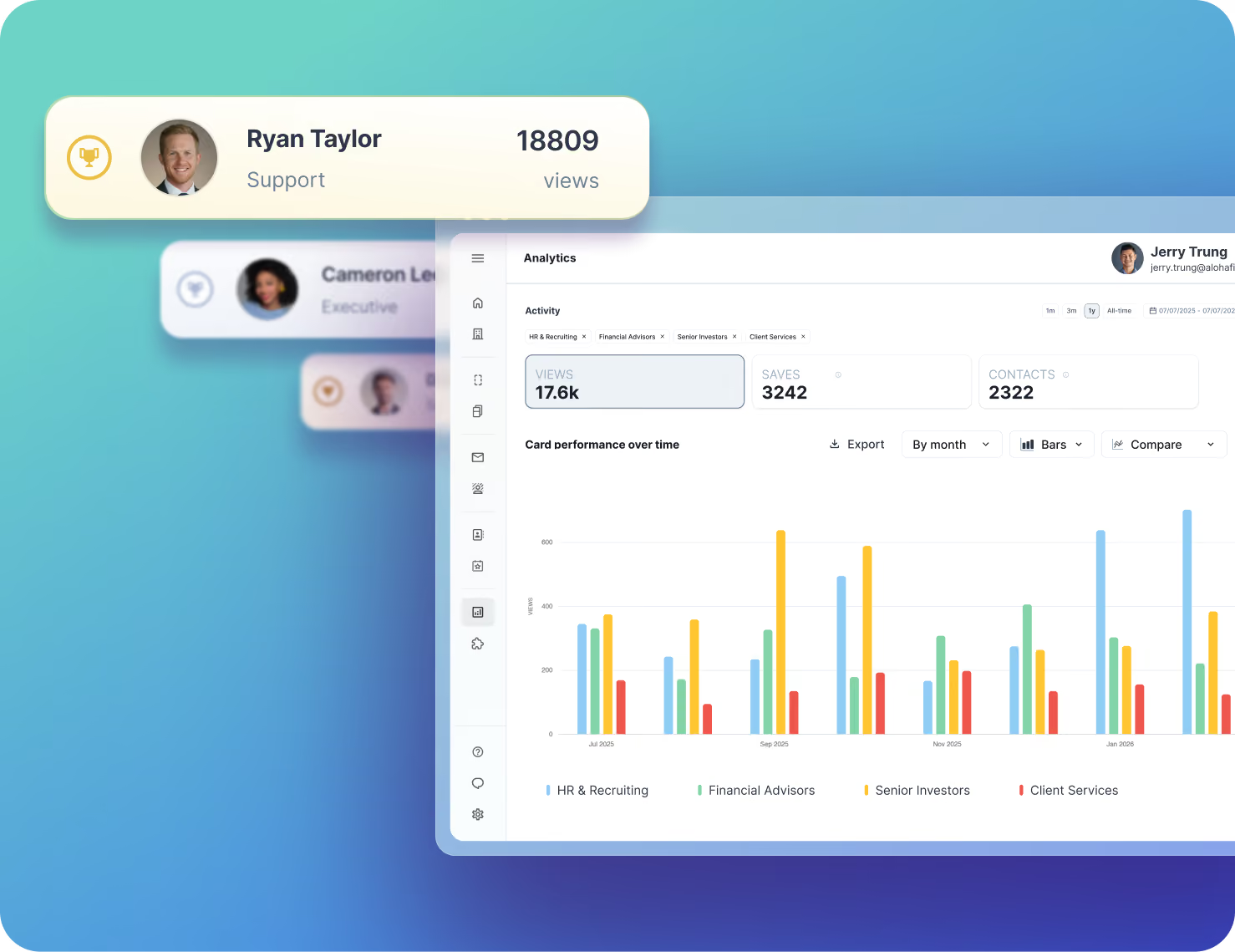
Extend your brand to everyone →Track card views, signature impressions, background views, contacts made, and cards saved. See exactly where your brand is showing up and how employees are carrying it, across every surface, all in one place.
See what your brand presence is driving →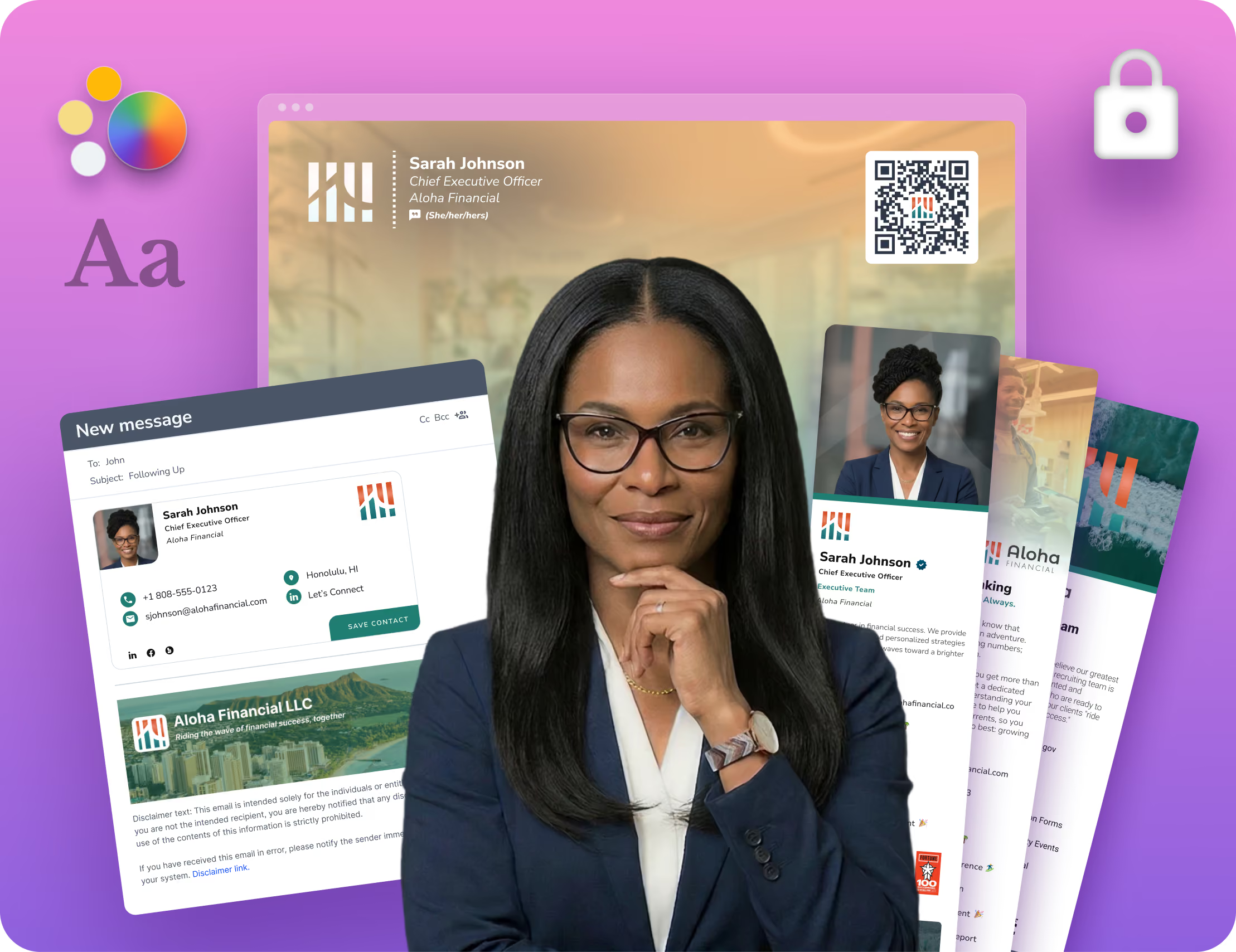
"There was no enforcement plan. There was no auditing. There was no way to know other than your email went to the person who noticed and then followed up and chased down. That automated format puts everybody into the standard brand and information sharing."

Chris Dickerman
Workforce/IT Leader,
CHRISTUS Health

Healthcare
"Rolling out the seventieth anniversary across platforms, backgrounds, signatures kept brand consistent and got internal interest."

Sophia Brooks
Marketing Associate
Burdette Beckmann, Inc.

cpg / brokerage
"Are community members going to trust us if we're not professional-looking? When you get an email from Goodwill, you see that professional signature, and you know it is really us. It is one more step in having more control over our brand."

Ethan Walsh
Creative Services Manager,
Goodwill

NONPROFIT / workforce development
"Previously, communications had a detailed signature spec but no enforcement/auditing. Noncompliance tracking was tedious. Automation ensures standard brand and info sharing."
Chris Dickerman
Workforce/IT Leader,
CHRISTUS Health
Healthcare
"HiHello makes BBI look tech-advanced; it's stood out at shows."

Mishell Arcos
Marketing Communications
Manager,
Burdette Beckmann Inc.
cpg / brokerage


“Help standardize branding, more functional than using paper cards. We love the email signatures as they've helped standardize our email signatures with branding while allowing for some levels of customization for Associates.”

Jessica Hendrix
Manager Digital HR Products,
CHRISTUS Health
“I want to have an email signature and electronic business card that is designed for my brand standards, and HiHello is my go-to choice even with alternatives out there. This is the third company I've worked for where I've used Hihello.”
A.N.
Verified User in Management Consulting


.avif)