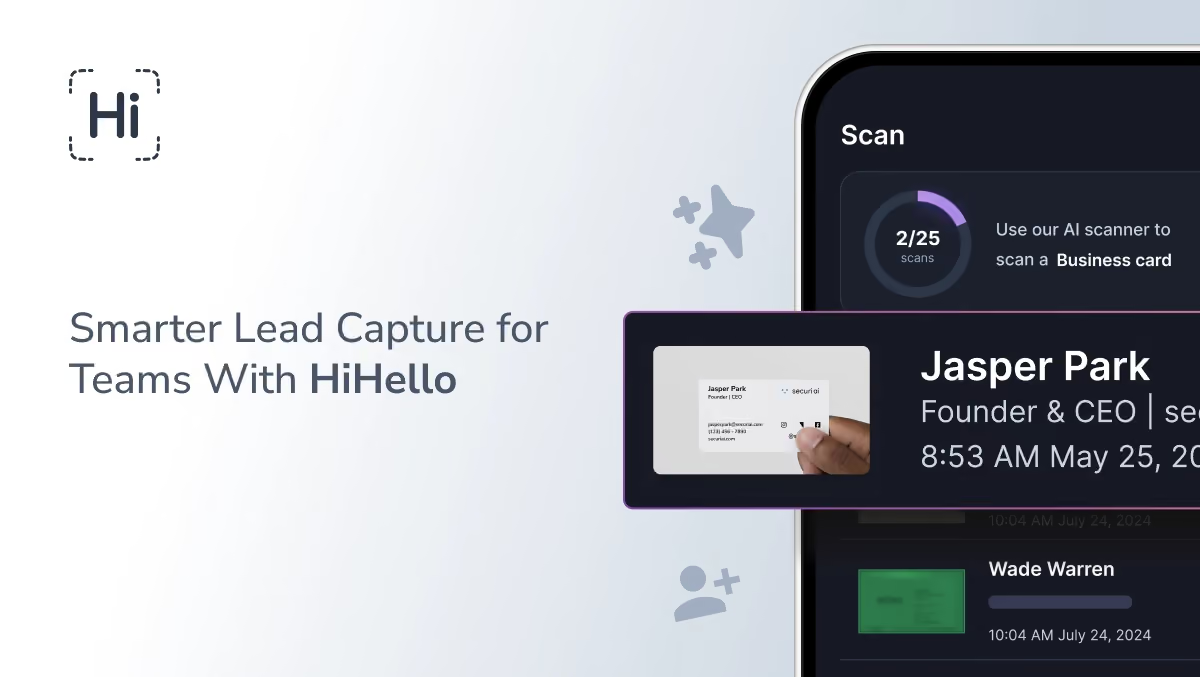
See where every lead came from and which events, introductions, and campaigns are actually driving pipeline.






The conversations that matter are happening in a place where existing tools can't measure them. Each moment can create pipeline, and each one is easy to lose before it reaches your CRM.
85
%
of marketers struggle to connect marketing performance to business outcomes¹
80
%
of leads never make it into a CRM²


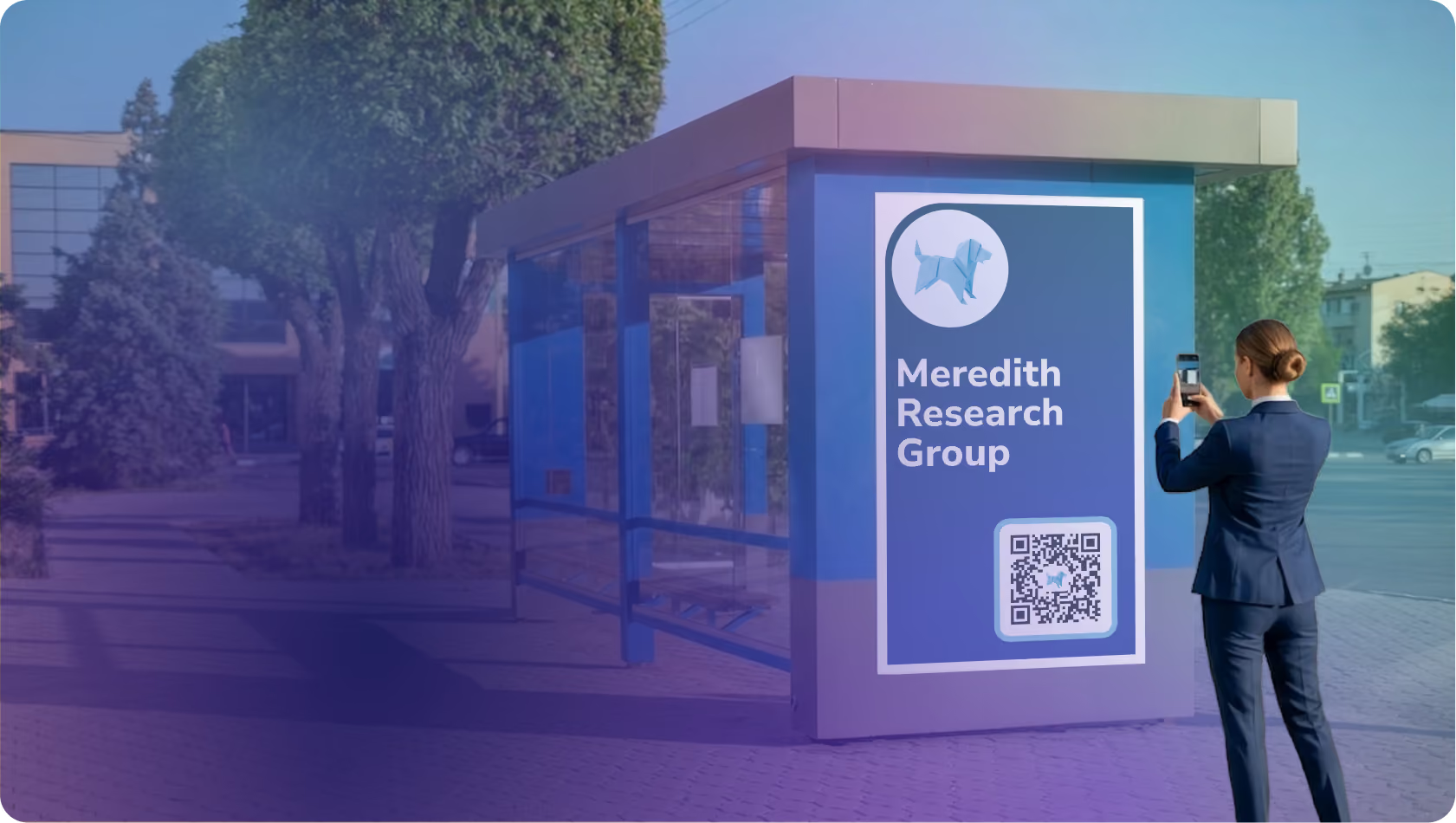
The person you met at the conference. The campaign that landed in front of your prospect at exactly the right moment. The relationship your support team has been building for months. Those are the moments that move deals, and they rarely come with visibility.
Connect HiHello to your CRM and marketing automation, Salesforce, HubSpot, Dynamics, so the interactions land in the systems you already report from.
Every interaction becomes a record the moment it happens, tagged to its source, event, or campaign, and the person who made the connection.
See which events, campaigns, and interactions turned into pipeline and revenue, surfaced in the same systems and reports your team already uses.
Every interaction becomes visible, all in the same system, so the path from a conversation to pipeline is one connected record instead of guesswork spread across tools.
Every card shared at an event, in the field, or on a call becomes a timestamped record, tagged to its source and the person who made the connection. Turn those conversations into contacts your CRM can actually report on.
Trace every connection →Create structured records from paper cards and badges from the moment your team captures them, each tagged to its source and the person who made the connection. Nothing waits for someone to sort through a pile after the show.
Capture every contact at the source →Build custom contact capture flows that collect exactly what your team needs at every interaction, with consent built-in. Custom fields, compliance-ready collection, and a structured record that syncs directly to your CRM.
Get the data that matters →Fill in the details that matter, titles, companies, emails, and LinkedIn profiles. Work from data you can trust, not a guess, so your CRM is as complete as possible.
Get the attributable contact records →Sync contacts to Salesforce, HubSpot, Dynamics, or the marketing automation your team already runs, along with the source, event, or campaign. The conversation becomes a record traceable to a person and a pipeline stage.
Connect your CRM stack →See which events, campaigns, and content turned into pipeline. Broken down by source, channel, and the interactions that started each relationship. Know where to reinvest before the next campaign starts.
Track pipeline contribution →





“With the traditional business card, you can't really see the impact of your networking; you're just handing a card and hoping for the best. By moving everything to digital, we can finally see the results. Being able to see that engagement is a huge feature for us.”

Ethan Walsh
Creative Services Manager,
Goodwill

NONPROFIT / RETAIL
"We actively analyze engagement. Our HiHello leaderboard surfaces our top prospectors as well as the operational gaps in the field."

Britton Johnson
Founder & Owner,
Voluntary Insurance Partners

INSURANCE


“Makes Networking Connections Effortless. It helps with my post-event follow-ups by connecting directly to my CRM, which makes it easier to keep track of everything afterward.”
Rich Keefe
Director Ice 9 Productions
“A Must-Have for Digital Networking. This really helps me keep track of the people I meet, tag them, and schedule follow-ups.”
Andrew Naja-Riese